
Straight Talk in a High-Context World: Why “Unfiltered” Works in Southeast Asia

Heleen Hoosemans
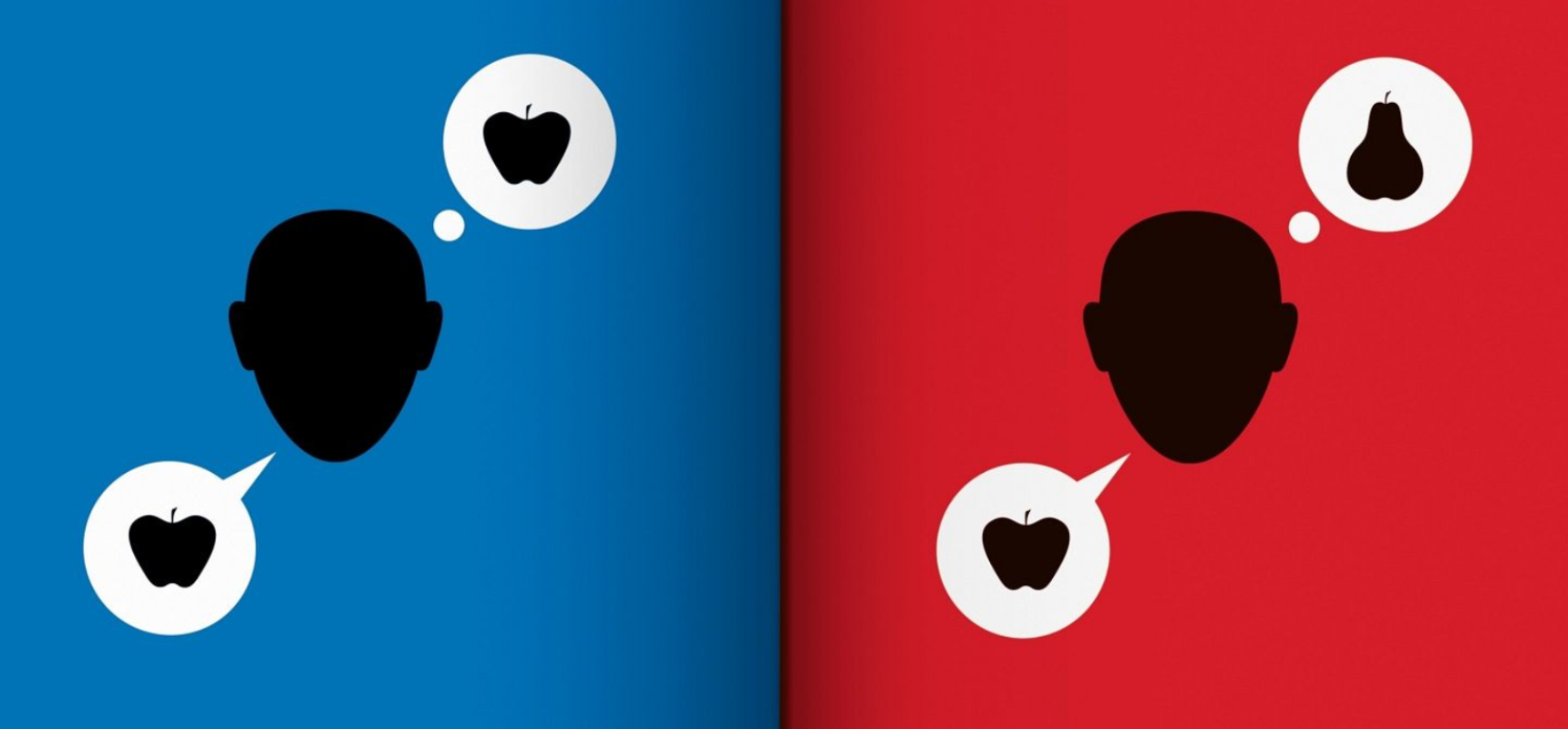
Clarity works differently in Southeast Asia. In high-context cultures, directness can accelerate your team, or undermine trust, depending on how you deliver it. This article shares what Unfiltered looks like in SEA: clear, kind, culturally fluent communication that lands. If you’re leading or scaling in the region, this is your guide to leadership that actually works here.
“Unfiltered” doesn’t mean blunt. It means clear, kind, and culturally fluent—which is exactly what high-context environments like Southeast Asia reward when done right.
First, a quick map of the terrain
Erin Meyer’s Culture Map shows many Southeast Asian cultures sit toward the high-context end (more meaning carried between the lines), favor indirect negative feedback, lean hierarchical in leadership, and are more relationship-based in how trust is built. That mix explains why pure, Western-style directness can misfire—unless you tune how you deliver it.
Two ideas matter most:
- Trust is relationship-based: credibility grows through warmth, time together, and personal connection (affective trust), not just on-time delivery (cognitive trust).
- Feedback language is calibrated: effective communicators modulate directness with “downgraders” (“might…”, “a bit…”, “consider…”) to keep candor digestible and preserve face.
What “unfiltered” looks like here (and what it isn’t)
Unfiltered ≠ unkind. It’s not “just say it.” It’s say it so it lands—with clarity and respect for context, hierarchy, and relationships.
Below is the Unfiltered in SEA playbook we use with leaders and teams.
1) Build context before content
Schedule time for rapport, not as a nicety but as a trust investment. Share a meal, trade stories, ask about family—then align on goals and constraints. Relationship-based trust is the on-ramp to hard conversations later.
Try: “Before we decide, can we trade two minutes on what matters most to each of us?”
2) Deliver written clarity, then speak with warmth
In high-context settings, explicit writing prevents ambiguity; soft-edged delivery protects trust. Send a crisp doc (facts, options, risks, decision needed), then talk it through 1:1 or in small groups so people can react without losing face. The model fits cultures that avoid open confrontation yet value precision.
Try: “I’ve shared a one-pager so nothing gets lost—let’s walk it together and adapt where needed.”
3) Tune the feedback dial (not just the message)
Keep the spine of your feedback specific and actionable, but shift the wording with downgraders and collaborative stems (“What would it take to…”, “Could we consider…”, “I might be missing…”). This keeps candor intact while matching local feedback norms. erinmeyer.com
Try: “We’re a bit behind on QA; could we pull one tester from Feature B for two sprints?”
4) Pre-wire disagreements; decide in the room
Because many teams avoid direct disagreement, surface friction privately first (1:1s across levels), adjust, then bring a decision memo to the group. You’ll reduce performative harmony and still respect hierarchy.
Try: circulate: Problem → 3 options → trade-offs → recommended call → next steps/owners.
5) Respect hierarchy while enabling truth to travel
Signal deference to decision rights, but create safe ladders for data to climb. Use sponsor-backed “red flag” rules: anyone can raise risk with evidence; leaders thank and protect the messenger. This balances hierarchical leading with smarter decisions.
Try: “If quality or safety is at risk, any team member can pause the line—no penalty.”
6) Make trust visible in rituals
Blend relationship-building with execution: rotating buddy lunches, short story-sharing at weekly huddles, manager 1:1s that cover person → work → growth in that order. Over time this converts personal warmth into operational elasticity.
7) Measure adoption, not just announcements
In high-context cultures, people may nod without fully buying in. Track behavior change (usage, cycle time, quality, retention of critical talent) to see whether your “straight talk” actually shifted how work gets done.
Phrases that travel well (clear + face-saving)
- “To make sure I understood… here’s what I’m hearing.”
- “What would it take to hit X by Friday?”
- “I might be wrong, but I’m worried about…”
- “Could we pilot Option B with Team Z for two weeks?”
- “Yes-and: yes to the goal, and one risk we should neutralize is…”
These keep the message unfiltered while flexing to indirect feedback norms.
How we implement this with clients
Operating cadence: short weekly huddles on leading indicators; monthly reviews tied to OKRs; decision-rights clarity so speed doesn’t stall.
Manager enablement: micro-skills for feedback, coaching, and disagreement that fit local norms.
Org design: what to centralize vs. localize; SEA-grounded comp/progression frameworks.
Change that sticks: pre-wired stakeholder maps, “who hears what/when/why,” and adoption metrics.
This is “unfiltered” for a high-context region: straight talk that people can say yes to—because it respects how trust, status, and meaning actually work here.
Big moves start with people.
Follow Unfiltered on LinkedIn for straight talk on growth, culture & leadership.


